With impulses instead of chemicals

Reliably clean temperature control & cooling circuits

Deposits in cooling and temperature control circuits jeopardize efficiency and process reliability.
Comprex® cleans reliably – completely without chemicals, for maximum performance and operational reliability.

When deposits slow down cooling

Typical challenges - and how we solve them

Cooling and temperature control circuits are the backbone of industrial processes. From open or closed cooling systems to centralized or decentralized machine cooling systems and complex tool temperature control systems – deposits, biofilms or corrosion residues can form anywhere over time.

These residues hinder heat transfer, increase energy consumption and jeopardize process reliability.
Comprex® removes such deposits purely mechanically – efficiently, gently and without any chemical additives.

01
The problem

The cooling water in industrial circuits is usually well monitored and treated with additives.

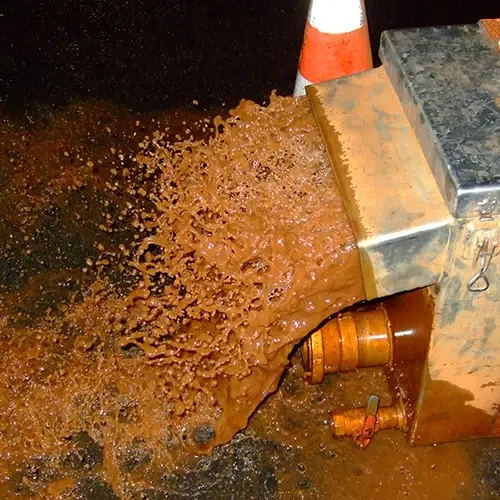
Substances dissolved in the water can precipitate, microbiology can form and solids can be introduced.

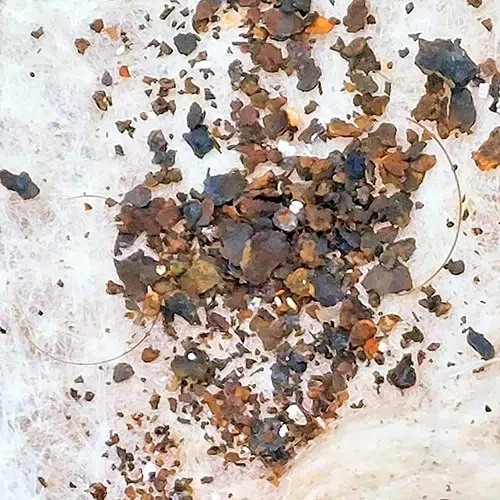
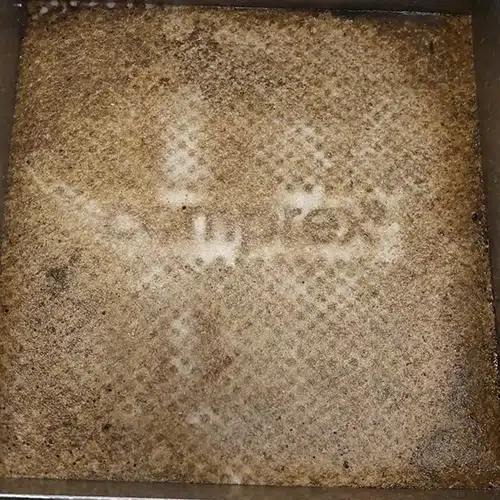
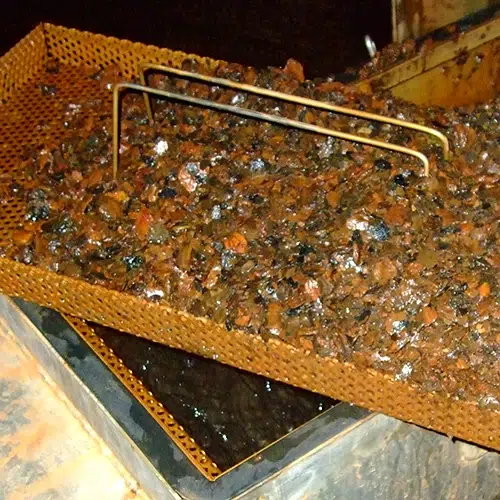
These accumulate in pipes, heat exchangers or machine components and hinder heat transfer.

02
The solution

Comprex® works with specifically controlled air-water impulses that reliably remove deposits – without chemicals. This means that main and distribution lines of complex circuits are cleaned quickly and effectively mechanically.

The process enables cleaning at predictable intervals, for example during planned shutdowns.

Typical areas of application:

  • Chillers, cooling towers and recooling plants
  • Cooling water pipes, heat exchangers* and temperature control units
  • Machine, motor and robot cooling
  • Mold cooling and temperature control channels
03
The result

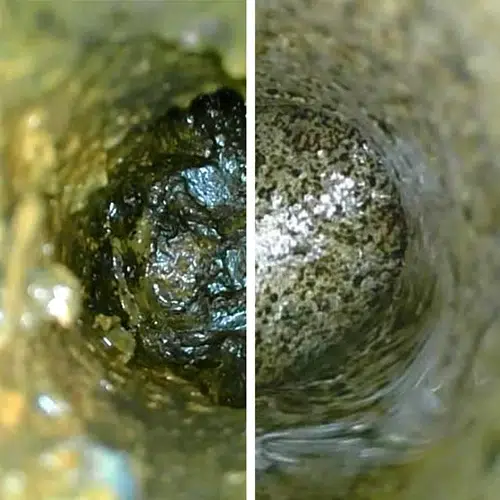
Comprex® mobilizes and safely removes even old deposits and biofilms from the system – whether from large cooling water pipes or finely branched tool cooling systems. Valves, temperature control channels or internal tool parts are also evenly tempered again.

More stable temperatures, lower energy consumption and better flow rates ensure that your cooling and temperature control circuits work efficiently again – for better quality, fewer breakdowns and lower operating costs.

*More information on the targeted cleaning of heat exchangers – also independent of the circuit – can be found here.

Further information on our patented Comprex® process can be found here:
Cleanliness for cooling towers & machine cooling

Comprex® ensures trouble-free cooling circuits and reliable production.

Cooling towers

Cooling towers are central elements of many production processes, but deposits, biofilms and suspended particles quickly impair their performance. This leads to reduced cooling capacity, higher energy consumption and, in the worst case, downtime.

With Comprex®, we clean cooling tower pipes and circuits using targeted air-water pulses – efficiently, without chemicals and without system downtime. This keeps the cooling capacity consistently high and operating costs low.

Machine cooling

Liquid cooling is usually used to cool machine tools such as drilling machines, lathes, milling machines or other machining centers, plastic injection moulding machines or temperature control channels – for example, cooling with flowing water to dissipate the heat.

Entry of fine sand and mussel shells are not uncommon. Over time, cooling builds up deposits and biofilms in the systems, resulting in reduced cooling capacity.

Removing these deposits with Comprex® increases the performance of the cooling system and saves energy. This only requires very short downtimes and is often even possible during operation.

Clear results. Clear cycles.

How Comprex® sustainably increases the efficiency of your cooling and temperature control systems

Comprex® reliably removes deposits and residues from cooling and temperature control circuits – for optimum flow rates, stable temperatures and maximum operational reliability. Without any chemical additives.

Ready for the better solution?

Benefit from the Comprex® advantages now!

Whether drinking water and waste water in municipalities, industrial piping systems or water pipes in buildings – each area has its own requirements. We work with you to develop a tailor-made cleaning solution that works, saves resources and delivers lasting results.

Your advantages with Comprex®

Fast, thorough, resource-saving - without chemicals

Cleaning time
Up to 80% shorter
Cleaning effect
Up to 100x stronger
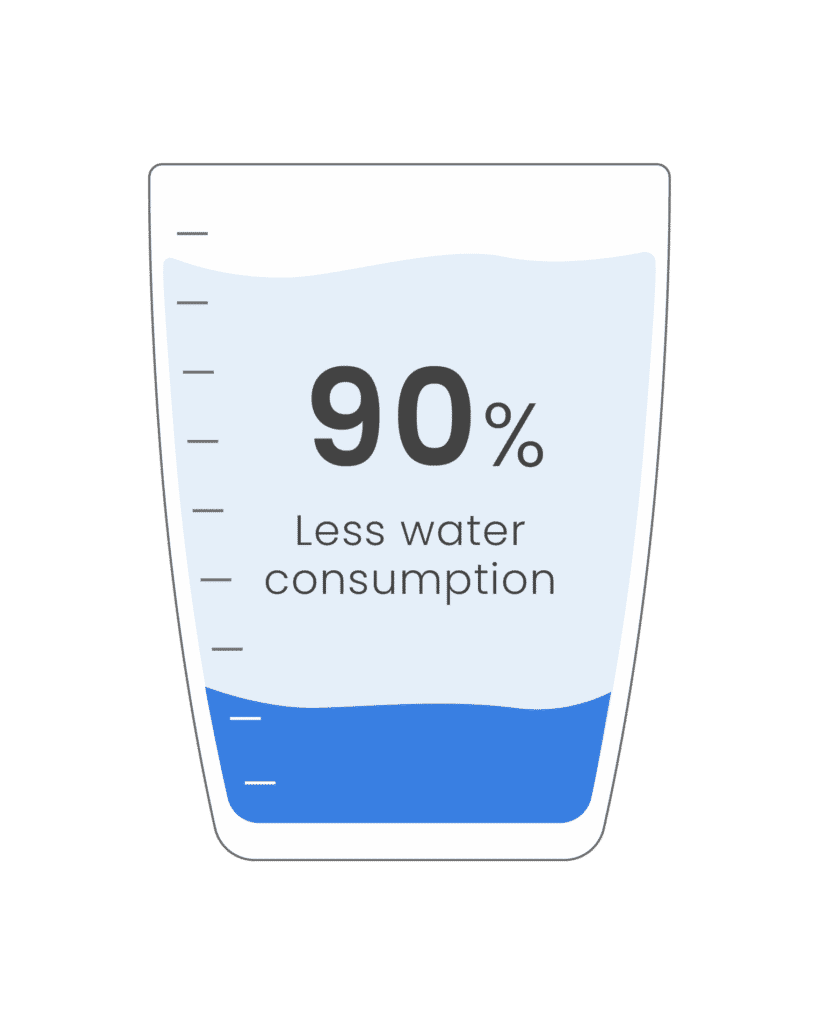
Water requirement
Up to 90% less
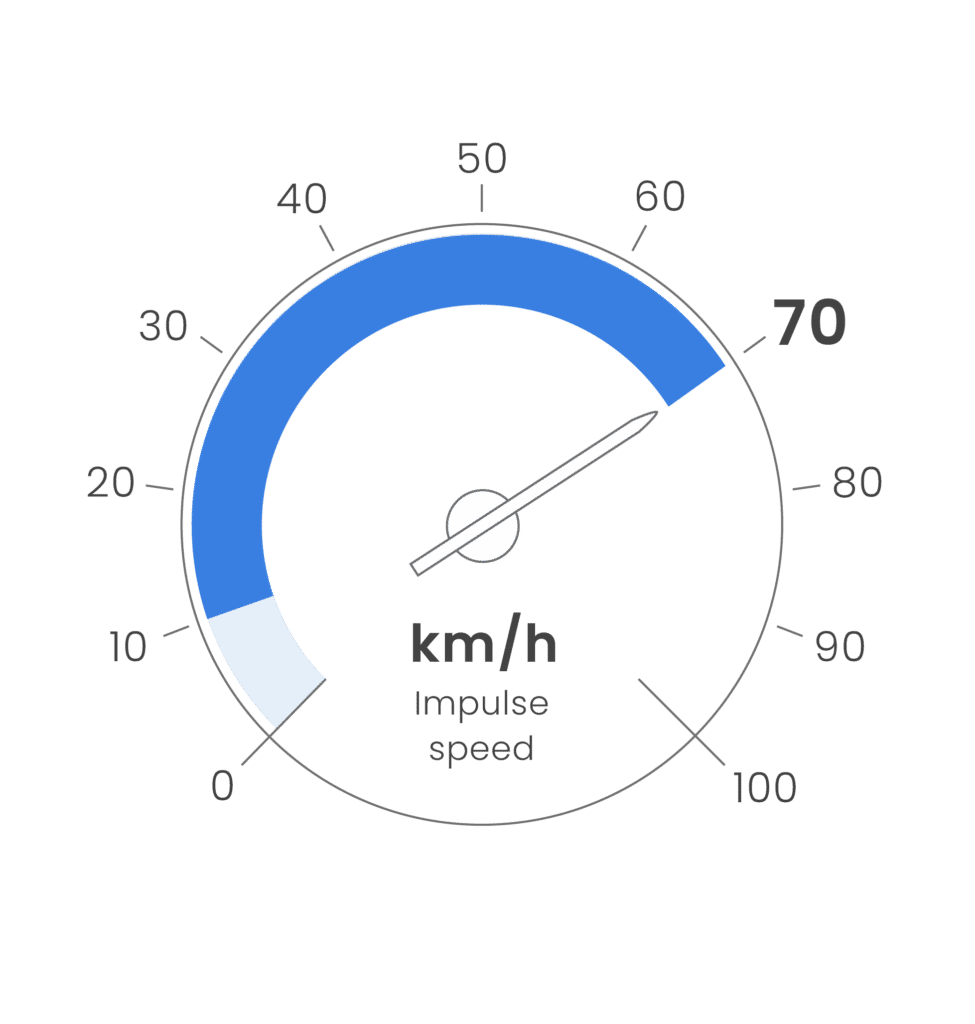
Flow speed
Up to 10x faster
Planned, precise, effective

3 steps to clean production systems

Step 1 Analysis & planning

Together with you, we check the structure and condition of your systems. Taking into account the local conditions, we adapt the use of the Comprex® process to your requirements and develop a customized cleaning plan – tailored to your system technology, critical bottlenecks in cooling towers, machines or tools and the required process reliability.

Step 2 Preparation

We plan the cleaning sections, determine the feed-in and feed-out points and take care of all the logistics so that your production can continue to run as smoothly as possible. Our team of technicians will come to you with the appropriate equipment and remain on site for the duration of the project.

Details on our mobile cleaning systems for different nominal sizes, e.g. the Pulse100 – ToolClean, can be found here. We are also happy to implement permanently integrated solutions with you.

Step 3 Cleaning & commissioning

Cleaning is carried out using targeted air-water impulses from the Comprex® process. Deposits and residues are thoroughly removed – quickly, gently and without chemical additives.

Once the measure has been completed, we check the result and hand the system back into regular operation ready for use.

Your options with Comprex®
Flexible use - according to your needs
Cleaning service

Fast, professional and ready for use: Our experienced team will take care of the cleaning for you – whether as a one-off or regularly as part of your maintenance concept.

Rent a system

Would you like to use the Comprex® process yourself? No problem. Our mobile systems are available for hire – including instruction, accessories and technical support.

Buy system

Would you like to permanently integrate your own Comprex® cleaning system into your operating processes? Whether mobile or stationary – we have the right system for you and will train your staff.

What makes our solution stand out:
With our Comprex® air-water impulse cleaning system, we provide an effective, sustainable, and resource-efficient cleaning solution.
Do you have any questions? We’re happy to help you find the right solution with Comprex®
What our customers say
Success stories from practice and partnership
Comprex® in facts and figures
Decades of experience
Operations per year
>
Countries
Versatile use in the industry

Discover more applications

Fire suppression systems
Sprinkler & water spray systems,
water mist systems,
foam extinguishing systems
(PFAS)
Heating and district heating systems
Heating systems
in buildings & industry,
heating networks,
e.g. district heating systems
Production systems
Production facilities,
product lines, process &
demineralized water lines,
pipelines
Cooling lubricant systems
Coolant lines in machining and grinding processes
Heat exchanger
Plate heat exchangers,
shell and tube heat exchangers
Answers to the most important questions

Frequently asked questions about cooling & temperature control circuits

How does cleaning with Comprex® work in cooling and temperature control circuits?

Comprex® uses targeted air-water impulses that move quickly through the circuit. These generate shear forces that reliably loosen and remove deposits, biofilms and solids – completely without chemicals.

Not mandatory. In many cases, cleaning can be integrated into planned shutdowns or short breaks. This keeps system availability high and a complete production stop is usually not necessary.

Typical deposits such as limescale, rust, biofilms, sludge, sediments or organic residues are effectively removed. As a result, the cooling capacity and temperature stability remain constant.

Yes, because Comprex® works purely mechanically, the method is gentle and suitable for all common pipe and system materials – whether stainless steel, plastic or mixed systems.

Depending on the degree of soiling and the size of the circuit, cleaning usually only takes a few hours. This makes it significantly faster than chemical processes.

Clean cooling and temperature control circuits ensure stable temperature control, lower energy consumption, longer service life of the system components and greater operational safety. The use of biocides and corrosion inhibitors can be reduced after cleaning, as biofilms and sludge, which serve as a basis for microorganisms, have been removed. This protects people and the environment.

In industry today, there are still many open cooling circuits. Wet cooling towers are used for heat transfer. The water to be cooled is in direct contact with the air flowing against it. In the process, part of the water evaporates and consequently has to be replaced in the cycle. If demineralized water is not used for this purpose, the circulated water is enriched with water constituents, mostly salts (thickening). It is then necessary to exchange, desalinate the water above a certain salt content. Unlike wet cooling towers, dry cooling towers allow closed cooling circuits without water evaporation and its associated problems, but with reduced efficiency.

Open cooling towers behave like air washers. They enrich the cooling water with dust, pollen and other substances. These are nutrients for microorganisms. The entrained particles, together with biofilm, lead to cross-sectional constriction in piping and other components of the cooling system. The effectiveness of the plant decreases. Measures are required. This basically involves two measures: water treatment and cleaning of the plant.

Modern cooling towers are often combinations of both systems. One cooling circuit is closed, the other is open. The water of the closed cooling circuit advantageously runs over heat exchangers in the open cooling tower. The water in the open evaporative cooling circuit, on the other hand, requires mechanical and chemical treatment.

The water treatment in the closed cooling circuit depends on the general conditions such as materials, operating temperature and water quality. For example, corrosion inhibitors may be required for components made of low-alloy steels in combination with plastic lines and hoses as a result of oxygen permeation.

In the evaporation cycle, desalinated water is often not used as fresh water. Water treatment consists of filtration, discharge control, dosing of inhibitors and biocides. It is used to condition the water in this circuit in order to remove the production heat from the system as uniformly as possible at all times. In addition, however, it must also be ensured that emissions from the wet cooling tower are not harmful. Microbial contamination can be critical here due to ideal temperatures for Legionella growth.

Cleaning is recommended

  • when the use of biocide and corrosion inhibitor increases
  • if the cooling capacity in the system is no longer sufficient
  • for inspection or refilling of the cooling system during downtimes
  • If the cooling water smells different or is cloudy

The temperature difference on displays before and after the heat exchangers and cooling towers (Delta-T temperature displays) serves as an indicator for desalination and ultimately for Comprex® cleaning. Certain limits for the biocides used are intended to ensure that no dangerous microbial contamination and ultimately emissions occur. Indicators, corresponding sensors and measuring devices depend on the chemicals used for inhibitors and biocides. Hydraulic characteristic curves are suitable for the evaluation of pipelines and plant components. The data required for pressure and flow come from corresponding sensors.

The 2015 World Climate Conference in Paris set a target of 1.5°C by 2050. Many small measures can contribute to achieving this. This includes the optimal operation of cooling circuits. In the same year, 2015, VDI 2047-2 was published with the title “Ensuring the hygienic operation of evaporative cooling systems”. Since 2016, VDMA 24659 has applied with regard to the economic efficiency and CO2 footprint of evaporative cooling circuits. In addition, since 2017, the 42nd BImSchV has wanted to know where such systems are in use in production facilities throughout Germany: https://kavka.bund.de/

Scroll to Top
Contact form

Thank you for your interest in our Comprex® process

Please note our privacy policy.