
Municipal
Wastewater disposal

Are deposits narrowing the cross-section and reducing the flow of your wastewater pressure pipes? With Comprex® we provide a remedy. Especially in regions with flat topography, pressure pipes are used to transport water from the pumping station to the sewage treatment plant. We ensure that their function and cost-effectiveness are maintained in the long term – efficiently and sustainably.

We have the right solution

We clean your wastewater pressure lines

01

The problem

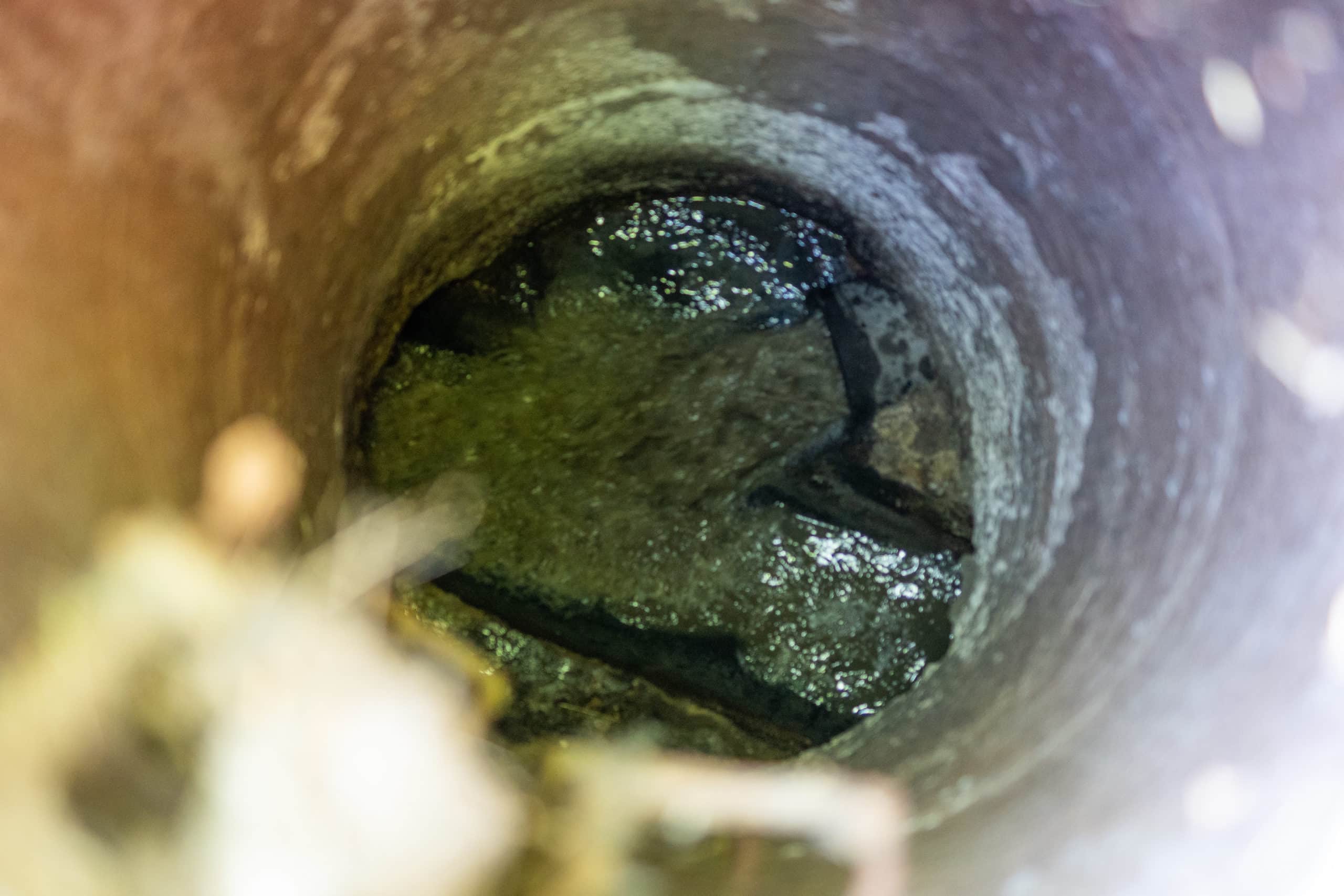
Due to the increasing use of energy- and water-saving household appliances and due to demographic change, water consumption has decreased significantly in some regions, resulting in longer residence times of wastewater in the pipelines. During the stagnation periods, deposits form on the pipe walls.

02

The consequence

Loss of cross-section, longer pumping times, pressure build-up in the pipes, odor nuisance in the area of the outlets, corrosion on sewer structures due to biogenic sulfuric acid, and finally increased energy costs due to the reduced hydraulic capacity.

03

The procedure

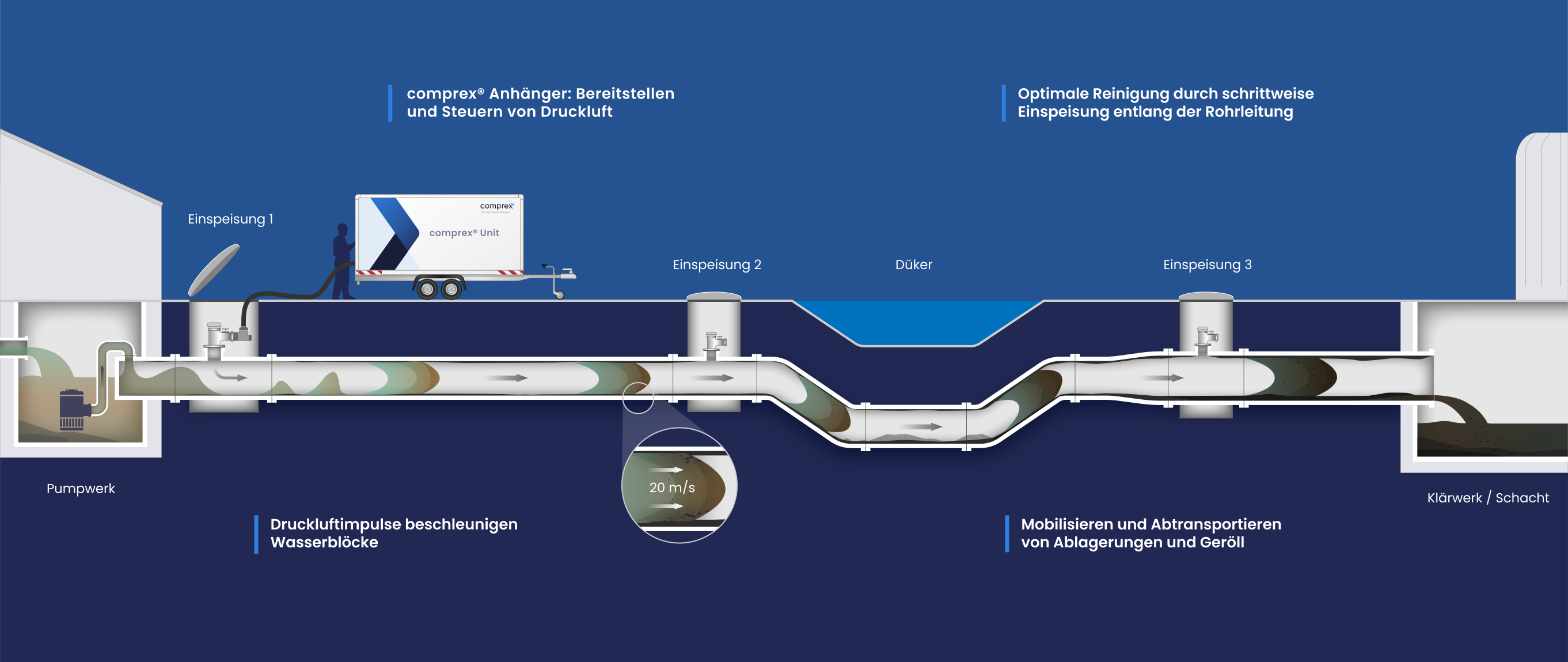
Wastewater pressure lines can usually be cleaned “online” during operation with Comprex®. We clean with existing or accumulated wastewater. The water is pumped slowly into the section of pipe to be cleaned and the air is added in pulses via alternating feed points. In the process, we can specifically clean special sections of the wastewater pressure lines, for example, culverts.

04

The result

Deposits are safely discharged. Bends and branches are no obstacle for Comprex®. Depending on the type of deposits and local, especially topographical conditions, we also efficiently clean longer pipelines. For you, this means: You increase the performance of your pipelines and reduce your energy costs at the same time. And since we even clean your wastewater pressure lines during operation, you don’t even have downtime.

Professional cleaning - with Comprex®

We make sure that you do not have to worry about your wastewater disposal.

Wastewater pressure pipelines, in contrast to mountainous southern Germany, occur mainly in northern Germany as part of wastewater pressure systems when gravity pipelines do not work there.

Flushing of wastewater pressure lines is initially not mandatory according to DIN EN 1671. However, if the hydraulic performance changes due to flow velocities that are too low, professional cleaning is required.

Longer residence times – more deposits

Due to the general decline in water consumption in recent years, the residence times of the wastewater in the now much too large pipes are increasing and deposits are forming. Sand and grit remain lying around.

The consequences are loss of cross-section, loss of capacity, pressure build-up, but also odor nuisance in the area of the outlets and finally corrosion of sewer structures due to biogenic sulfuric acid. Culverts in particular are critical areas when it comes to sedimentation.

Hygiene wipes and moist toilet paper are also increasingly becoming a problem if they are disposed of improperly in the toilet. This is because they are difficult to biodegrade and settle especially in smaller pipelines. These impairments are difficult or impossible to eliminate with conventional cleaning methods.

Decreasing power – increasing energy demand

With regard to energy efficiency, which is playing an increasingly important role today, cross-section-constricted piping is an important issue. This is because they require more energy and time to transport the water during normal operation and can no longer transport it fast enough during peak times. The performance of the pipeline decreases and the energy demand of the pump increases. However, measures taken at the pumping station alone are not enough to restore the wastewater pressure systems.

We have decades of experience in the municipal sector

Comprex® in wastewater pressure lines - this is how it works!

To ensure safe and energy-efficient wastewater disposal, wastewater pressure lines should be cleaned from time to time. Our patented Comprex® impulse rinsing process can be used without great effort. It reliably removes all mobilizable deposits from your wastewater pressure line – during operation.

Comprex® also cleans longer distances efficiently. Bends, branches and culverts are no obstacles in this process. In worksheet DWA-A 113 “Hydraulic Dimensioning and Performance Verification of Wastewater Pressure Systems”, the DWA rules and regulations mention the impulse flushing method as a special option for cleaning pressure pipes.

You can profit from this

The advantages of Comprex®

Removal of deposits and sieve skin

Mobilizable solid deposits, easily adhering deposits, screen skins and unconsolidated deposits such as sand, grit or gravel are safely discharged. Even debris in culverts is no problem for Comprex®.

Improved hydraulics

Removing deposits reduces pressure loss in the pipeline - hydraulics improve. In this way, the performance and disposal reliability of the wastewater pressure line are restored.

Energy efficiency

The improved hydraulics ensure efficient pump operation. The water can flow freely again and needs less time and energy to be transported.

Cleaning during operation with wastewater from pumping station
No wastewater holding with suction and flushing vehicles
Low set-up times, no additional personnel required
Connection of the Comprex® unit via adapter to feed point
No risk of solid displacement bodies getting stuck as with pigs
No obstacles due to bends or fittings
Clean culverts or changes in nominal widths without any problems
Small stones and debris are reliably discharged

Comprex® cleaning for wastewater pressure pipes

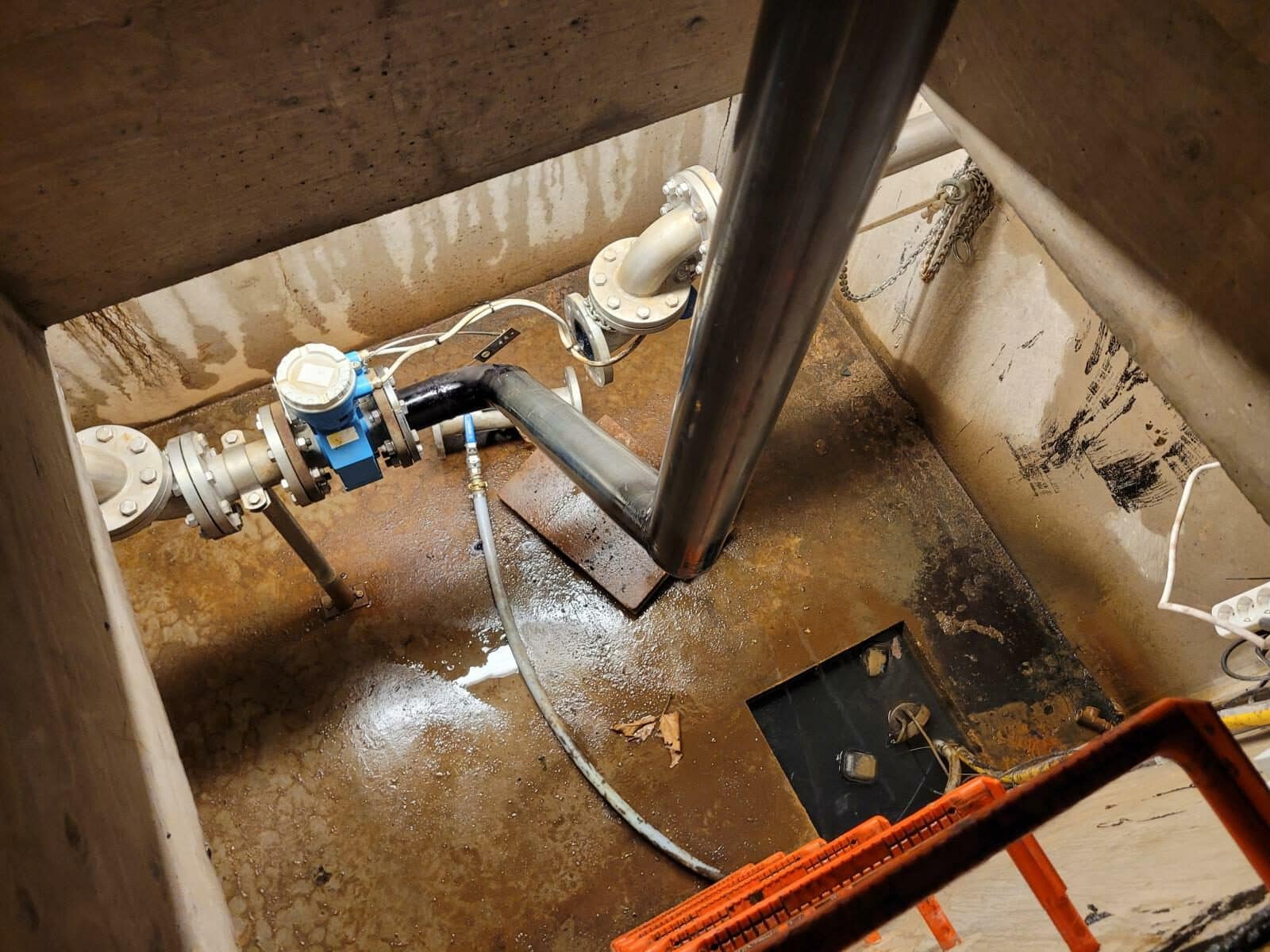
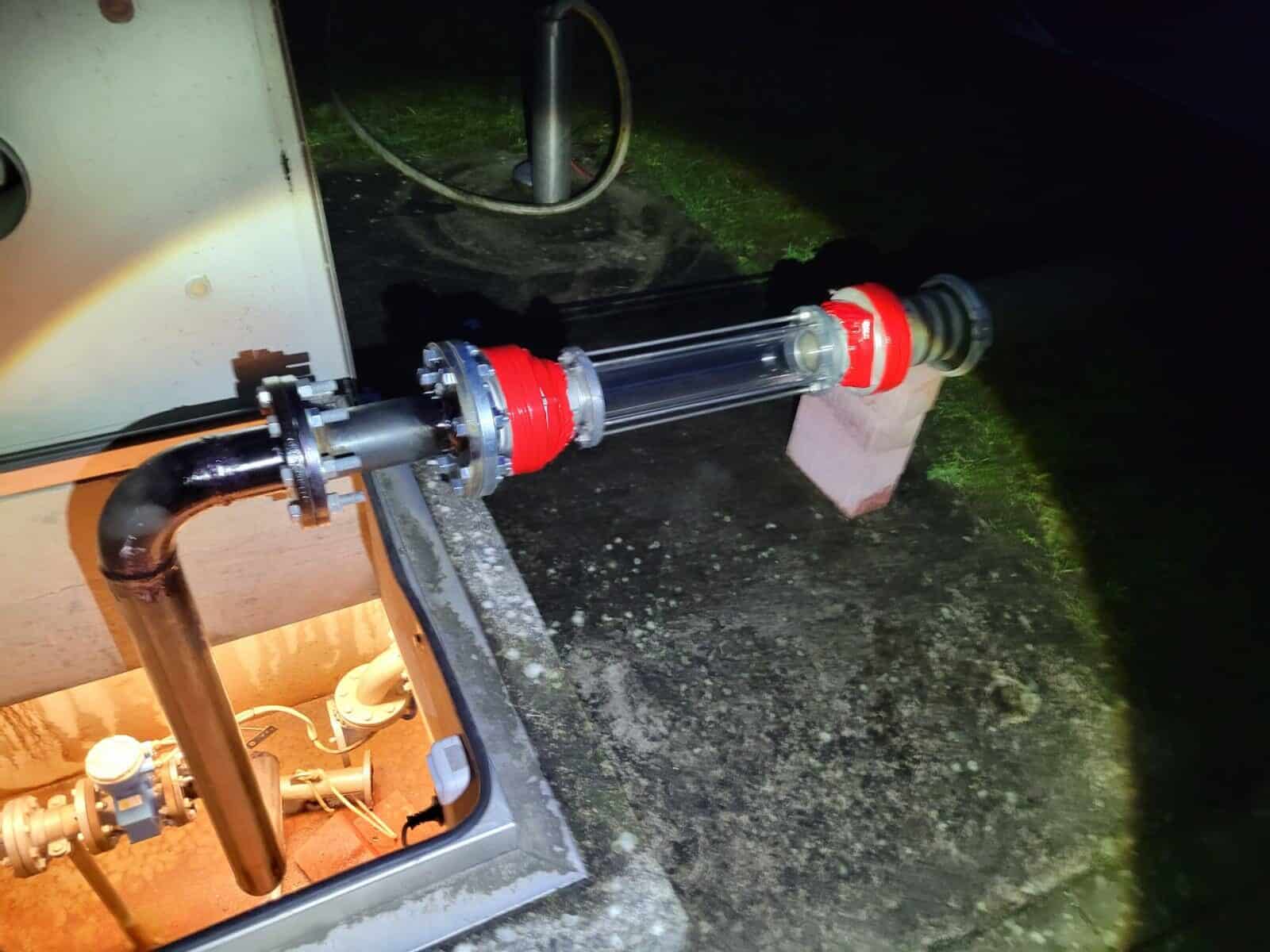
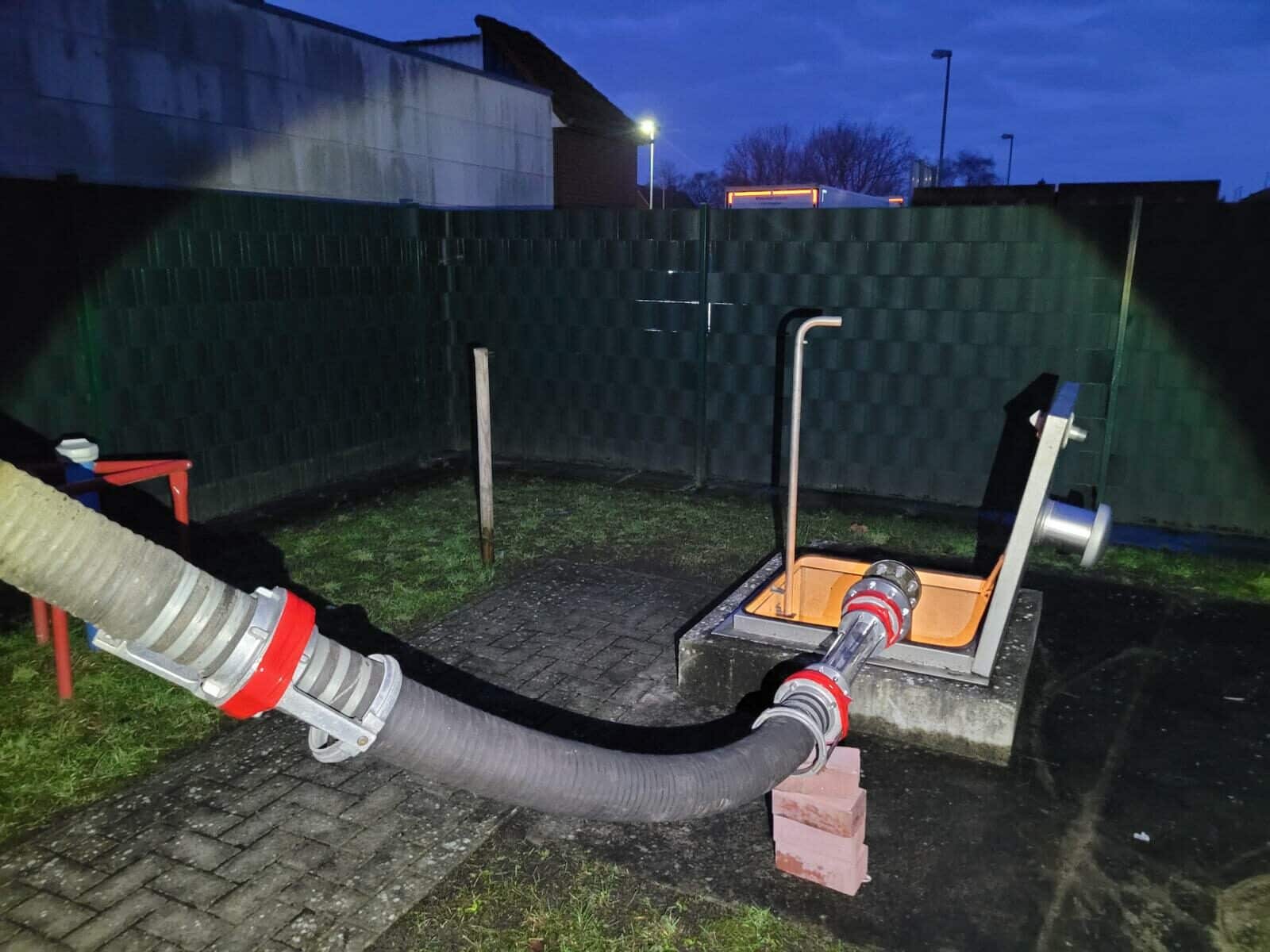
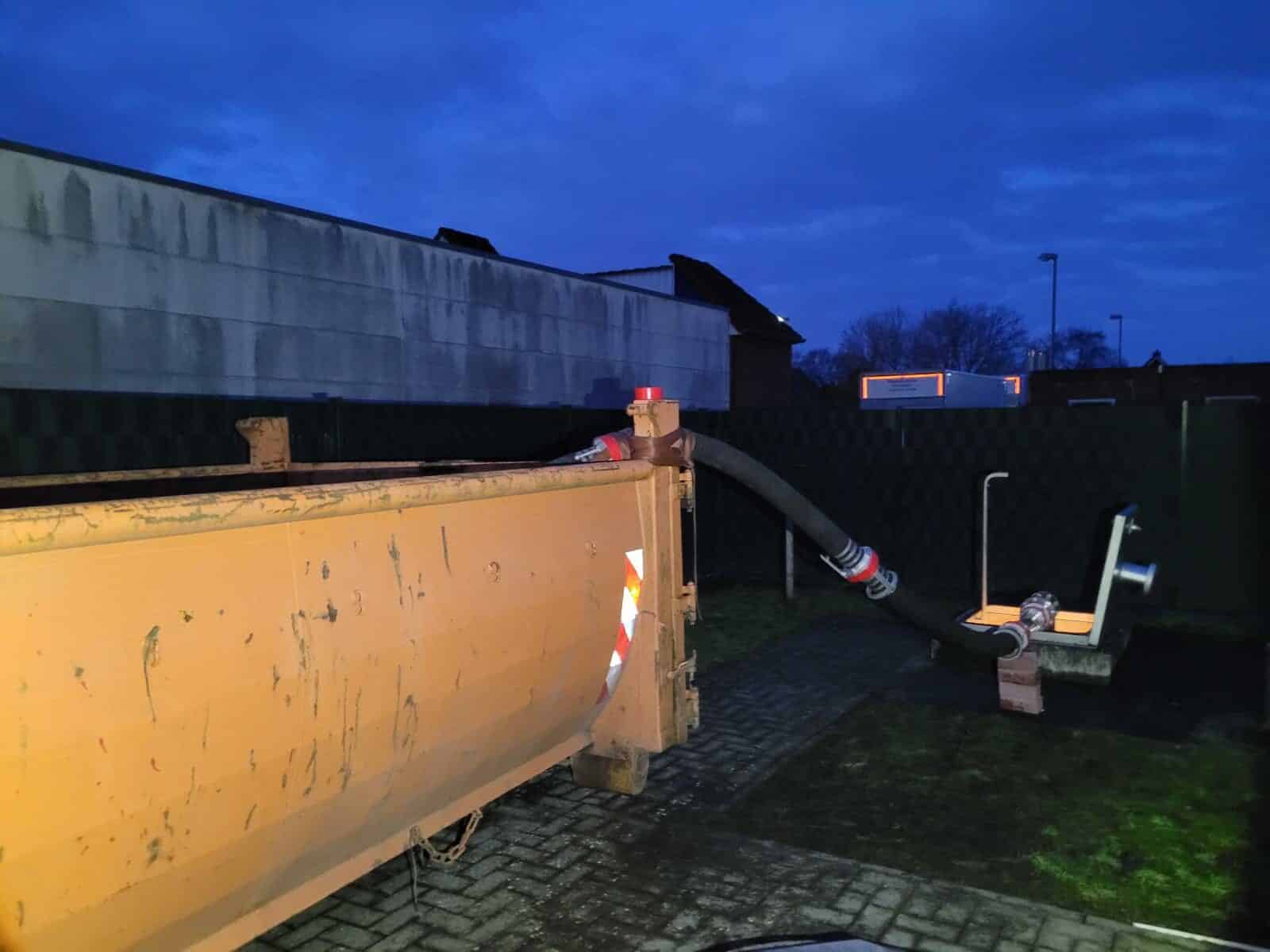
Comprex® in a pumping station - a field report

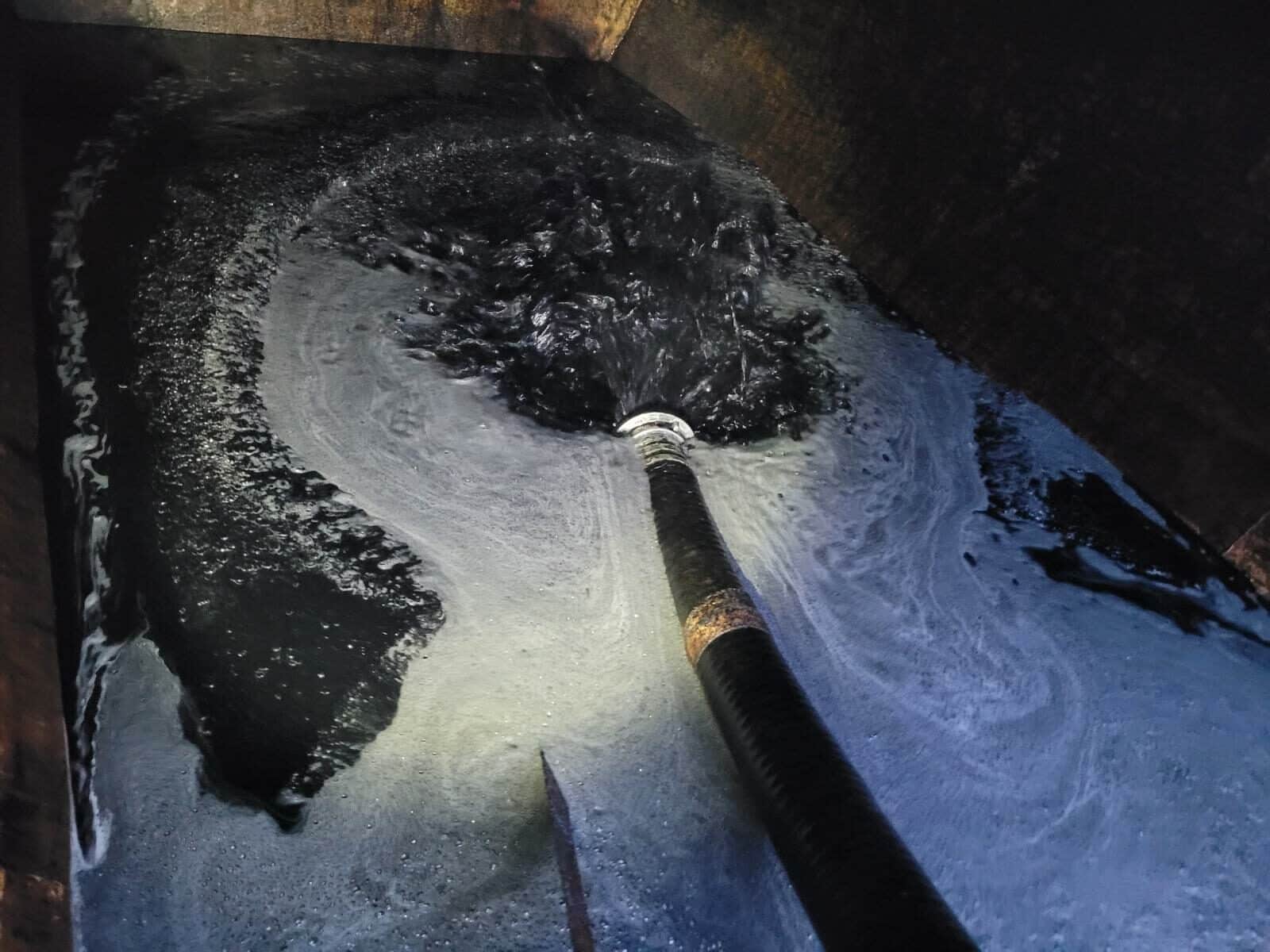
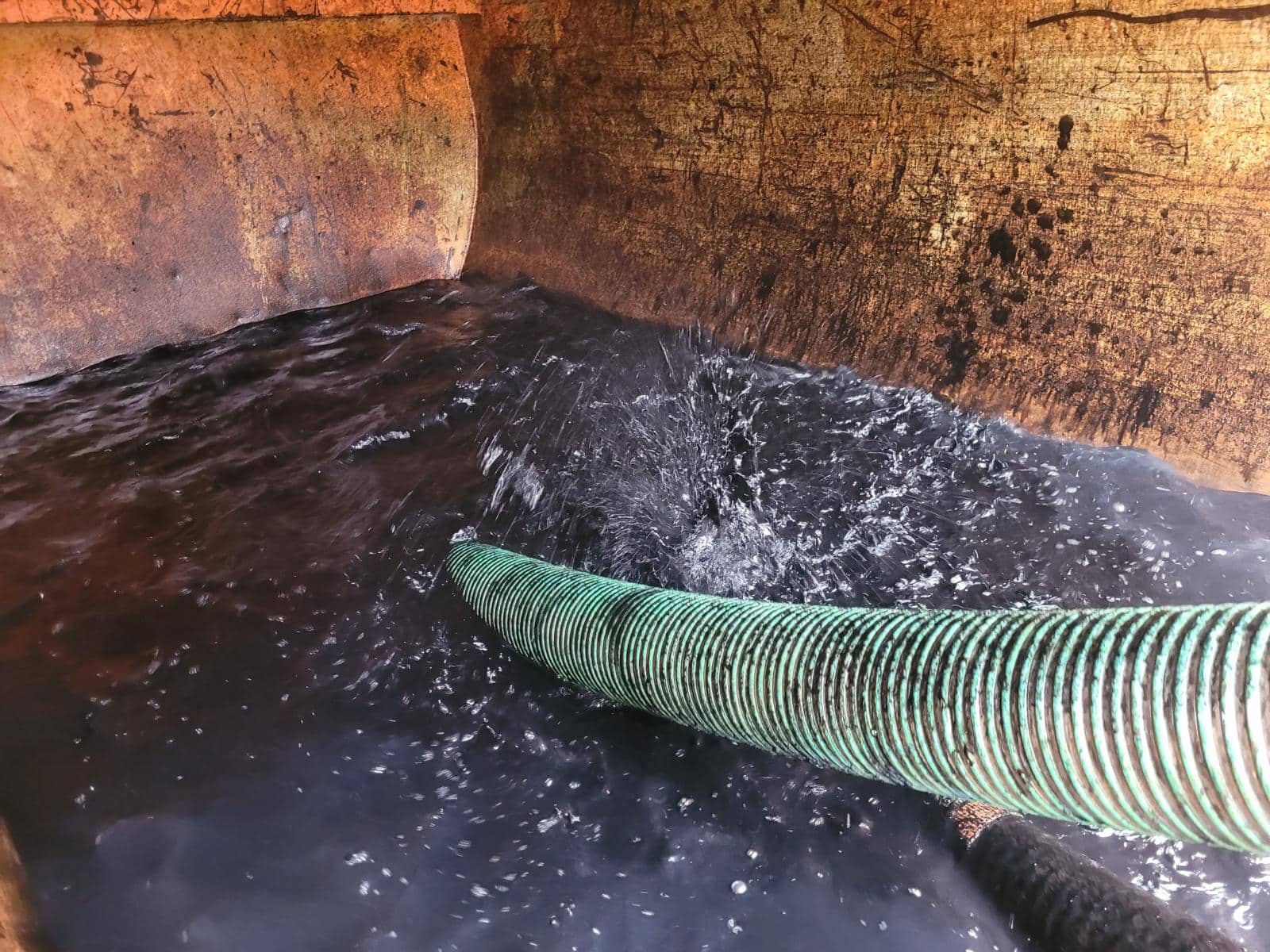
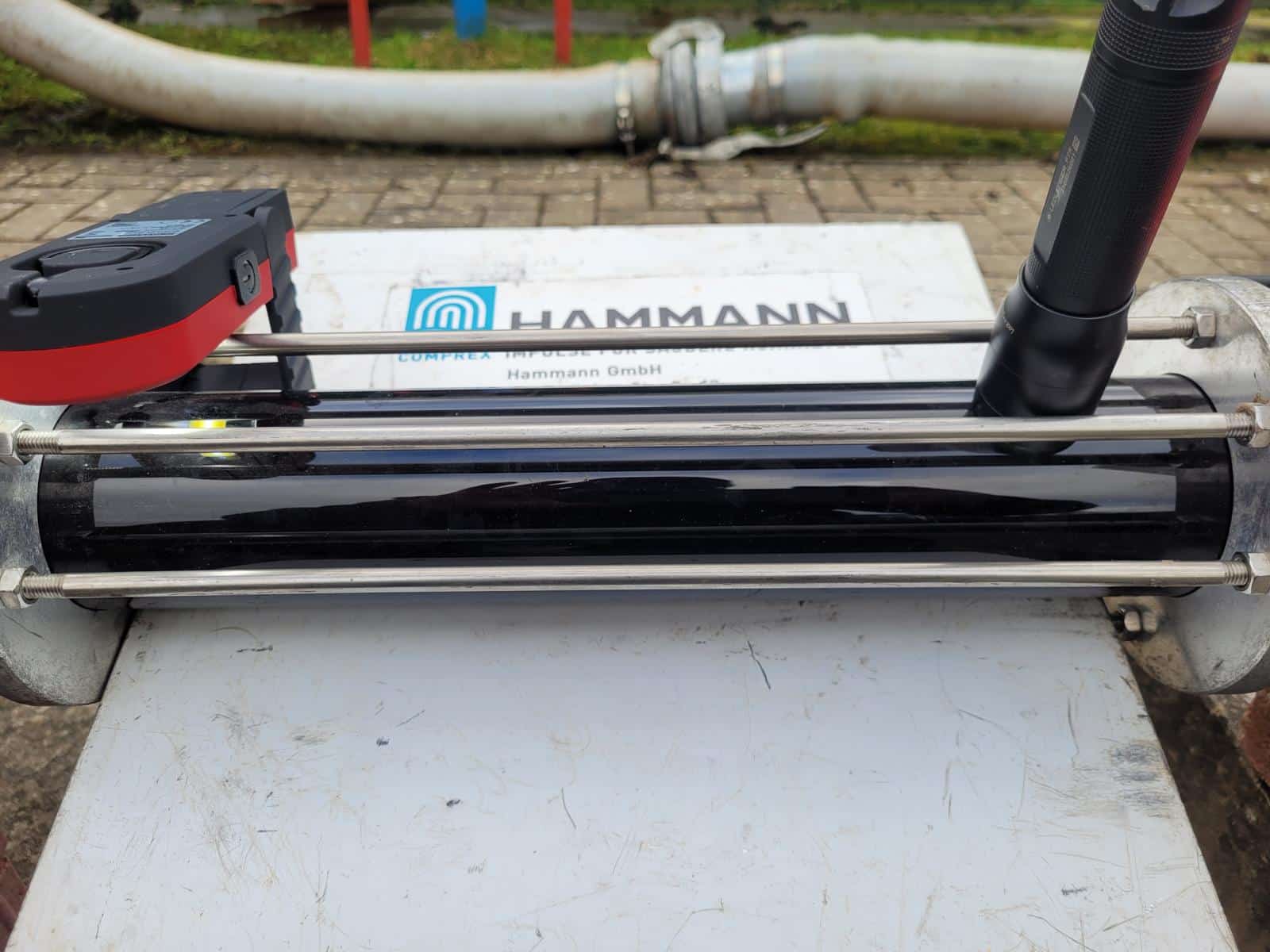
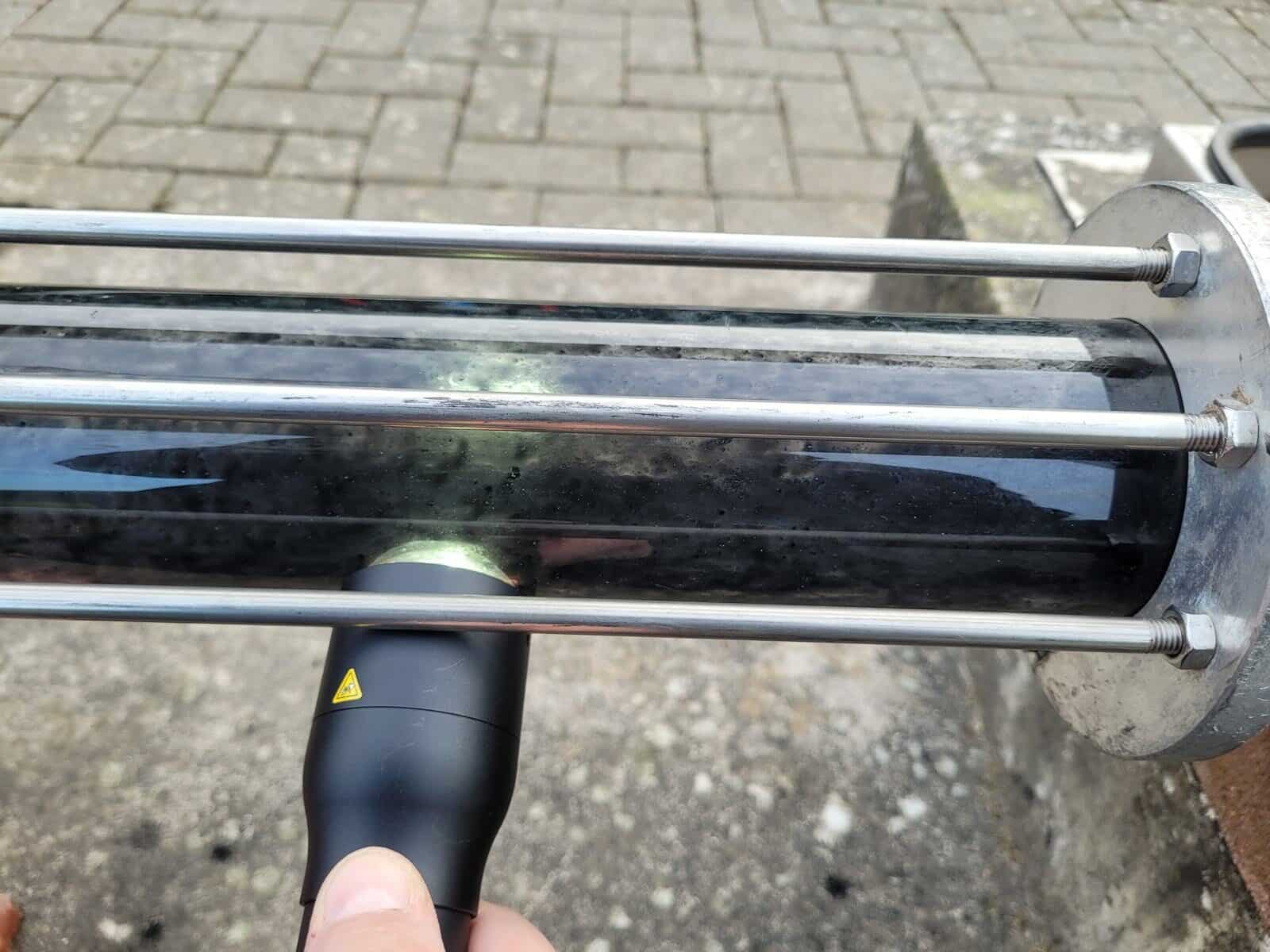
The special feature of this cleaning was that it was not flushed in the direction of flow as usual. In order to collect the deposits, the pipe was shut off and cleaned against the direction of flow. The deposits were collected in a container and checked through a sight glass.

Customer quote on cleaning with Comprex®:

Before flushing the main pumping station, we had a pump runtime of almost 20 hours and a pumping capacity of 250 m³ of wastewater. As a result of the flushing action, we were able to determine that on some days we achieve a pumping capacity of 270 m³ of wastewater with a pump runtime of 15 hours. This clearly shows an improvement in the efficiency of our system.

In addition, we would like to mention that thanks to Comprex® we were able to remove approx. 14 m³ of residue from the line that had accumulated over the years. This cleaning has helped to improve the performance of our system and prevent future problems.” (Mr. Janßen, wastewater foreman at the Jemgum municipal pumping station)

What makes our solution stand out:
With our Comprex® air-water impulse cleaning system, we provide an effective, sustainable, and resource-efficient cleaning solution.
Do you have any questions? We’re happy to help you find the right solution with Comprex®

Practical examples

We regularly report on new developments and innovations. Find out more about our successful Comprex® applications.

culvertMunicipal

Cleaaning blocked culverts

Comprex pulses can be fed through a PE pipe into blocked, water-filled culverts until they are deposited.
Learn more
A close-up image of a rusted pipe section with a buildup of fibrous material blocking the interior, indicative of the need for pig cleaning, lying on a grassy surface.
Practical exampleWaste water

Discharge of coarse particles from pipes

Discharge of coarse particles from pipes
Learn more

Professional articles and publications

Professional article

More specialist articles – Kommunal

Here you can see more technical articles on the topic "Municipal - Drinking water networks & wastewater pressure lines".
DOWNLOAD TECHNICAL ARTICLE

Newsletter subscription

Keep up to date with the latest developments, research and practical applications of the Comprex® process.
Scroll to Top
Contact form

Thank you for your interest in our Comprex® process

Please note our privacy policy.